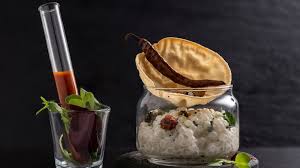
Cevurı: Unveiling the Tradition and Taste of This Unique Dish
Cevurı is more than just a meal; it’s a culinary experience that carries stories, traditions, and flavors from the heart of the communities that cherish it. As food lovers, we often search for dishes that connect us not just to taste but to culture. Cevurı does exactly that. In this article, we’ll explore everything about cevurı—its history, ingredients, preparation, and why it has earned a special place on the tables of those who love authentic flavors.
What Is Cevurı?
Cevurı is a traditional dish that brings together simple ingredients to create something extraordinary. The dish has been passed down through generations, keeping its original taste while slowly embracing modern twists. It is celebrated not just for its flavor but also for the way it brings people together—whether during family meals, festive gatherings, or community events.
While cevurı may seem straightforward at first glance, the depth of its taste comes from the careful balance of textures, seasonings, and cooking techniques. It’s a dish that teaches us patience, respect for tradition, and the joy of sharing food.
A Brief History of Cevurı
Cevurı has roots that trace back centuries, originating from regions where communities placed great importance on communal cooking and seasonal ingredients. Families would gather around open flames or clay ovens, passing down recipes orally from one generation to the next. The dish was more than sustenance—it was a ritual, a way of marking special occasions, and a method of strengthening family bonds.
Over time, cevurı has adapted slightly to modern kitchens, but its essence remains intact. It still reflects the original flavors, the care in preparation, and the celebration of togetherness that made it a staple dish in the first place.
Ingredients That Make Cevurı Special
What sets cevurı apart is its simplicity paired with thoughtful choices in ingredients. While recipes may vary slightly from family to family, we can outline the core components that define the dish:
- Fresh meat or vegetables: Depending on preference, cevurı can be made with locally sourced meat, poultry, or seasonal vegetables.
- Spices and herbs: The unique flavor comes from a combination of traditional spices—sometimes including paprika, cumin, or locally grown herbs.
- Dough or base: Many cevurı recipes include a bread or pastry component that adds texture and helps absorb the rich flavors of the dish.
- Sauces and seasonings: Simple sauces, often homemade, enhance the taste without overpowering the natural ingredients.
The magic of cevurı comes from the way these ingredients interact—each bite offering a balance of flavor, aroma, and texture that feels both comforting and indulgent.
How to Prepare Cevurı
Preparing cevurı can be an art, but it’s accessible to anyone willing to take the time to do it right. While each family might have their own secrets, the general steps include:
- Preparing the base: If using dough or bread, this is made fresh, kneaded, and allowed to rise to achieve the right texture.
- Marinating the main ingredients: Meat or vegetables are seasoned and sometimes left to soak in spices, allowing flavors to deepen.
- Cooking with care: Traditional cevurı often involves slow-cooking methods. Patience is key—the longer it cooks, the more the flavors meld together.
- Finishing touches: Garnishing with fresh herbs or a drizzle of sauce brings the dish together and makes it visually inviting.
The process is as much about technique as it is about love and attention. We often find that dishes like cevurı taste better when made with care, as if each step passes on a piece of tradition to the plate.
The Cultural Significance of Cevurı
Cevurı is not just about food—it is about culture. In many regions, it represents hospitality and togetherness. Serving cevurı at a gathering is a sign of respect and affection, a way of showing guests that they are valued.
The dish often marks celebrations—birthdays, weddings, or seasonal festivals. It becomes a centerpiece for conversation, laughter, and the sharing of stories. In this way, cevurı connects us to both people and place, creating memories that linger long after the last bite is gone.
Why We Love Cevurı
There’s something universally appealing about cevurı. Here’s why it resonates with so many of us:
- Flavorful yet simple: The dish doesn’t rely on complexity but on the natural harmony of its ingredients.
- Comforting and hearty: It warms both body and soul, making it perfect for family dinners or casual get-togethers.
- Flexible: While traditional recipes are cherished, cevurı can be adapted to modern tastes without losing its essence.
- A connection to tradition: Eating cevurı feels like stepping into a story that has been told for generations.
It’s a dish that reminds us why food is not just sustenance but an experience—an intersection of taste, culture, and human connection.
Tips for Enjoying Cevurı
To fully enjoy cevurı, we’ve learned a few simple tips over the years:
- Pair it wisely: Traditional beverages or simple side dishes complement cevurı beautifully.
- Cook with patience: Rushing the preparation can compromise the flavor. Slow-cooking is often rewarded with richer taste.
- Serve it fresh: Cevurı tastes best when served immediately after cooking. Warmth enhances the aroma and texture.
- Share generously: The dish is best enjoyed in company. Sharing adds a layer of joy that makes the experience complete.
Modern Twists on a Classic Dish
Even though cevurı is rooted in tradition, many home cooks are experimenting with new variations. Some add international spices, others incorporate healthier ingredients, and some even create vegetarian or vegan versions. These modern interpretations keep the dish alive and relevant while respecting its origins.
What we love most is how these adaptations show that tradition doesn’t have to be rigid. Cevurı evolves with us, proving that a dish can be timeless and flexible at the same time.
Bringing Cevurı Into Our Homes
Making cevurı at home is not just about cooking; it’s about celebrating tradition in our own way. We can start small—perhaps trying a simplified recipe with ingredients available locally—and gradually embrace more authentic methods.
Cooking cevurı at home also offers an opportunity to involve family members or friends. From kneading dough to stirring spices, everyone can contribute to creating a dish that is both meaningful and delicious. It’s a reminder that food is not just about feeding the body but also about nurturing relationships.
Final Thoughts
Cevurı is more than a dish; it is an experience that connects us to history, culture, and the people we love. Its rich flavors, traditional preparation methods, and cultural significance make it a dish worth exploring and sharing.
Whether you’re a seasoned cook or a curious foodie, cevurı offers something special. It reminds us that food can be a bridge between generations, a celebration of heritage, and a simple pleasure that brings us together.
So, the next time you want to try something authentic, hearty, and full of story, give cevurı a place at your table. We promise, it’s more than worth it.